The Unsent Letter
On the letter that stays in the drawer. What it holds. Why it was never sent. Why it should be preserved anyway.
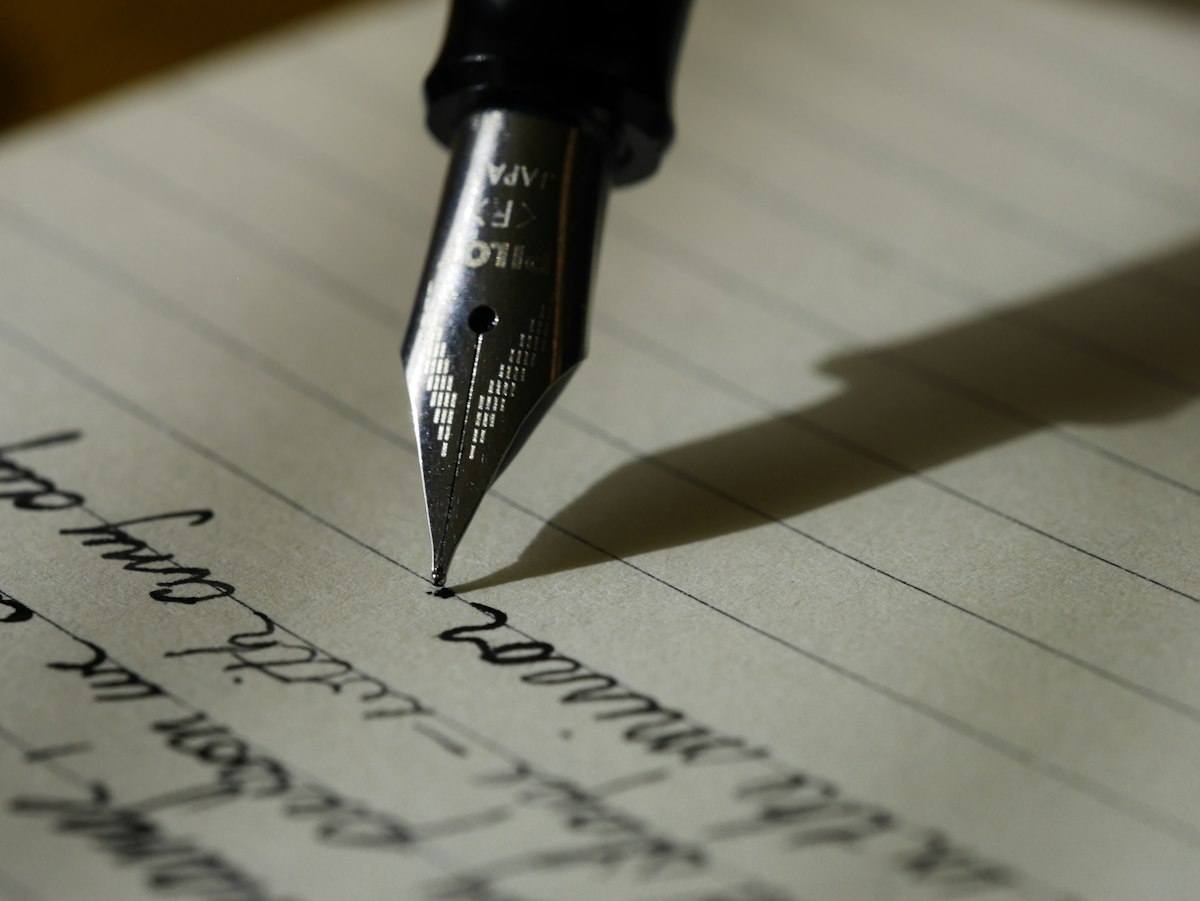
There is a letter in a drawer somewhere that you wrote and never sent.
Maybe you know exactly which one. Maybe there are several and you have not thought about them in years. Maybe you wrote it and deleted it before it could become a document, a thing, an artifact with weight.
The letter is addressed to someone specific. A parent you could not reach. A person who died before you said what needed saying. An ex-lover. A version of yourself from ten years ago. A friend who moved away and the friendship quietly closed without a proper ending.
You wrote it because something needed to be said. You did not send it because the sending was impossible, or wrong, or too late.
What Stays in the Drawer
The unsent letter is a strange object.
It is not private in the way a diary is private, something never meant to be read. It was written for a reader. It was written as communication. The form of a letter is address, not expression: you are supposed to be there, receiving it.
And yet it was not sent. The reader it was addressed to never received it. The letter exists in a gap, written for a reader it never reached.
"The letter is not what you could not say. It is what you said and chose not to deliver."
This distinction matters. People assume the unsent letter is about inability. That you couldn't say the words. But most unsent letters were written fluently, without hesitation. The writing was not the problem. The sending was the problem.
The words were available. The delivery was impossible.
Why These Letters Should Be Preserved
Not for the writer. Not for the reader, who may be dead, or unreachable, or simply unready.
For whoever opens the capsule in 2126.
In a hundred years, someone will find a collection of letters that were written in 2026 and never delivered. They will read letters addressed to mothers who are now three generations gone. Letters to people who left without explanation, in a year whose context has become historical.
They will find in these letters something that the performance of the era, the posts, the stories, the content, cannot give them: the private face of 2026. What people actually felt. What they actually needed to say. What they held back, and why.
That is a historical document of a different order.
A Note on Attribution
The Letters Never Sent collection does not offer anonymity.
When the capsule opens in 2126, every letter will be attributed to its author by name, year, and city. The letter will be read as a document with a human face attached.
If you are not ready for that, this collection is not for you.
But consider: in 2126, you will be gone. The person you wrote to will almost certainly be gone. The context that made the letter dangerous or painful or impossible will be history. What remains is the document: the evidence that someone felt something, that they wrote it down, that they chose to have it preserved.
That choice, made now, is what the archive holds.
The Form
You write the letter. You submit it sealed. ARC does not read it before sealing.
You do not need to have written it yet. You do not need to know exactly what you want to say. The collection is forthcoming. Expressions of interest are welcome now, and the Steward will be in touch when the collection formally opens.
What you need is to know that there is something you have not said.
That is enough to begin.
Letters Never Sent: Collection 004. Sealed for one hundred years. Opens 2126.