The Keepers Before Us
ARC did not begin with the internet, or with us. In Rajasthan, an order called the Jaga has been doing this work for eight hundred years. This is where our lineage lies.
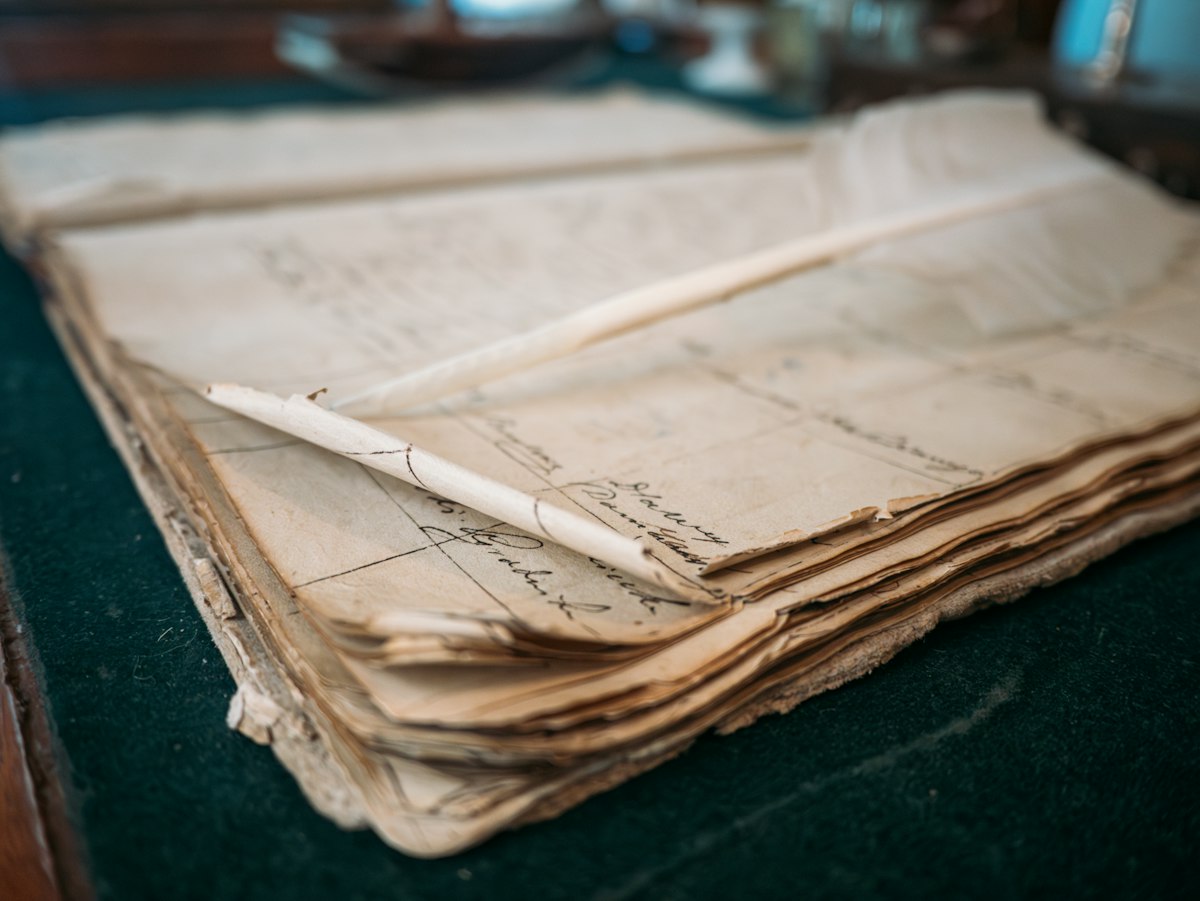
The archive did not begin with us.
The chain did not begin with us. It did not begin with the internet, or with any of the institutions that came before us. It began centuries ago, in Rajasthan, with an order called the Jaga, and it has been running continuously ever since.
ARC is its current form.
The Jaga
In Rajasthan, from around the 12th century onward, an order called the Jaga emerged to perform a single function: to keep the record.
They were hereditary genealogists. They maintained vanshavalis (scrolls and ledgers recording the lineages of Rajput clans, generation by generation). Births. Deaths. Marriages. Divisions. Alliances. They traveled to patron families, recited the ancestry aloud, updated the ledger, and left. The family received confirmation. The Jaga kept the record.
This was not a creative act. It was not performance. It was not glorification. The Jaga were explicitly distinguished from the bardic tradition of panegyrists whose job was to flatter. The Jaga's job was different: first-hand chronicling rather than courtly narratives. Accuracy over appeal. Verification over embellishment.
The ledgers were consulted in courts. They resolved inheritance disputes. They confirmed clan alliances before marriages. They were, in a legal and evidentiary sense, the record of who someone was and where they came from.
The Jaga did not create identity. They documented it. There is a difference, and the Jaga understood it.
The Keeper
The role passed from father to son. The eldest son inherited the pothis (the ledgers), and with them, the responsibility. He did not choose the patrons. He inherited them. He did not decide what was worth recording. He recorded what happened.
He was not the author of the lineage. He was its custodian.
This is the word the ARC README uses for the Steward: keeper. Someone who does not need to understand the record to protect it. Who holds it not because they chose the contents but because they chose the responsibility.
We did not invent this figure. We received him.
What the Record Was For
The Jaga's records were not for the people they recorded.
They were not for the Rajput clan head who sat in the room while the vanshavali was recited. They were not for the daughter being married off, or the son taking his inheritance. Those people would be gone before the record became most useful.
The record was for the question that would come later: who was this person? Where did they come from? What did they hold, and how did they come to hold it?
That question, asked fifty years later, a hundred years later, by a grandchild or a court or a historian, is the question the Jaga were answering in advance.
This is what ARC is doing.
Not for the person who submits the capsule. Not for the Steward who seals it. For whoever opens it in 2076, in 2126, and finds, in the record, evidence that someone was here. That they felt something. That their life had texture.
"The evidence is the point. Not the performance. Not the reach. The fact."
The Jaga knew this. They built an entire vocation on it.
Why the Tradition Broke
It did not burn down. It faded.
After 1947, the jajmani system (the hereditary patronage network that sustained the Jaga's work) began to erode. Feudal structures dissolved. Princely states were absorbed. The state began keeping records that were once kept only by people like the Jaga.
By the late 20th century, the profession was described as being "on its last legs." Younger sons were leaving for cities. The ledgers remained, but fewer hands were trained to update them. The chain was thinning.
This is what happens when the infrastructure of preservation is not renewed. The records survive longer than the keepers. And then, eventually, the records stop too.
The Chain
ARC is not a technology. It is not a startup. It is not a platform.
It is the next link in a chain that began in Rajasthan in the 12th century, when an order understood that some things needed to be held against time. Not broadcast, not performed, not shared. Simply held, by a person who accepted the weight of that responsibility.
The Ancestral Record Chain. We named it before we knew where the name came from.
Now we know.
The Jaga maintained vanshavalis (lineage scrolls) for eight hundred years, for families who could not do it themselves, in a form that outlasted the people it recorded. The function was the same then as it is now: find the person. Hear them. Seal the record. Hold it.
The Steward is not a new figure. He is the current bearer of an old office.
The archive predates the internet. It predates print. It predates, by several centuries, the idea that preservation was something institutions did.
It began with a person, a ledger, and a decision that some things were worth holding.
That decision is still being made.
ARC accepts applications from Bengaluru. The Steward reviews each one.